About
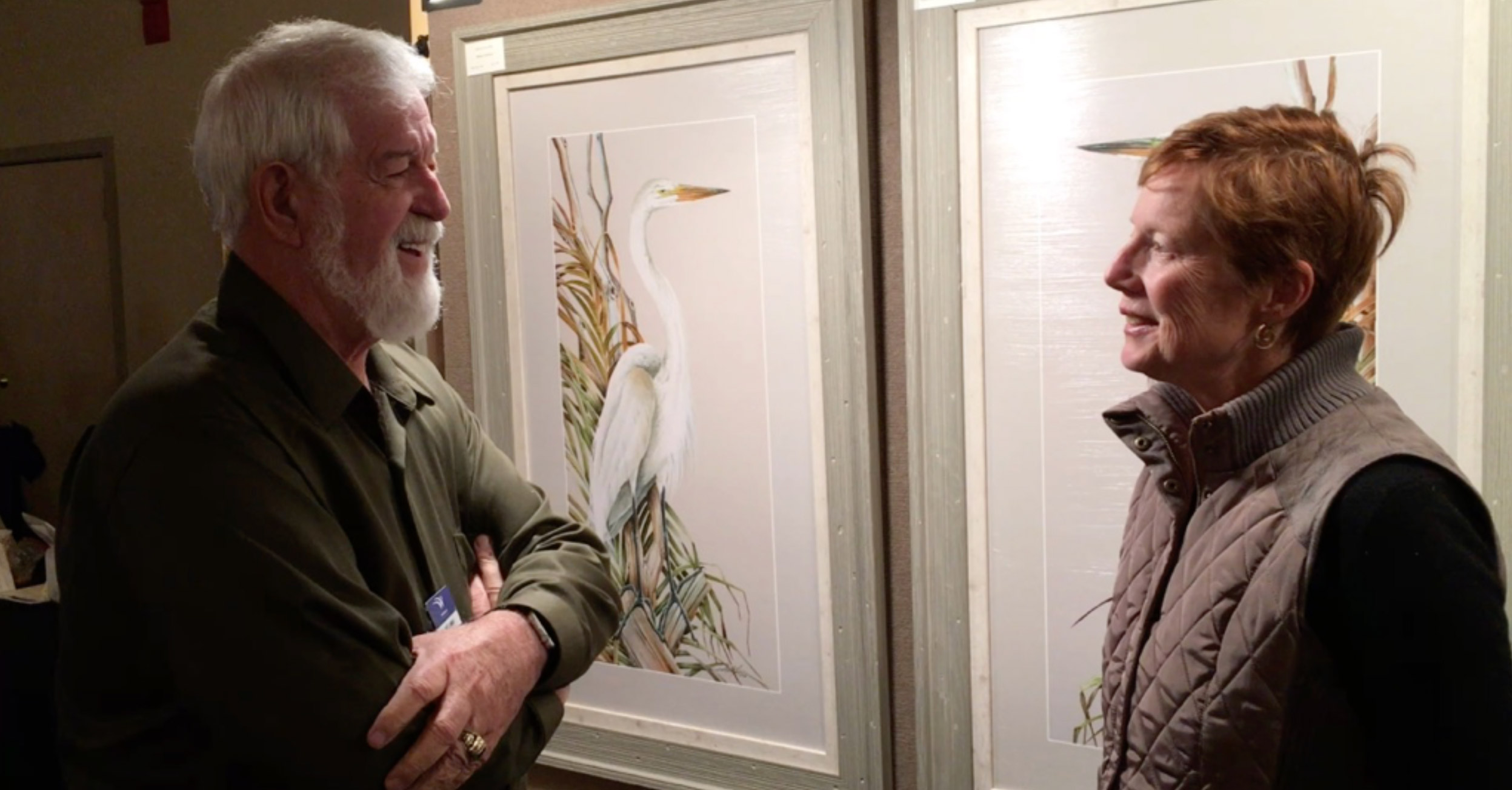
Carlisle is from Baltimore, Maryland, the biggest port of the Chesapeake Bay in the state. She grew up there but spent many summers in the waters of the Miles River, a Chesapeake tributary in Talbot County. Talbot County is named for the sister of Lord Baltimore, a descendant of Carlisle’s family.
The Chesapeake Bay splits Maryland into the Eastern Shore and Western Shore. There are two bridges that span our estuary and another that tunnels it. What a glorious feeling (if you can get over the height!) to cross the bridges and find yourself in the “Land of Pleasant Living @R), the DelMarVa Peninsula (Delaware, Maryland and Virginia.)
That is what this site if for – for you to discover the beauty of the largest estuary in the world, the Chesapeake Bay. Its brackish waters of coastline (number?) number far greater than the whole west coast of the United States. It’s unique habitat of mixed fresh and sale waters make it ideal for (number?) three thousand of sea creatures to be food for our senses.
Captain John Smith discovered what the Native Americans already knew – what peaceful waters teaming with life could provide – pleasant living! Discover and enjoy our Bay, the Chesapeake, from the Algonquian word referring to village “at a big river,” Chesepiooc.
My Story
In 2011, I was asked to make a video of Poplar Island by the University of Maryland Center for Environmental Science, commonly known as Horn Point, in Cambridge, Maryland. As a proud Terrapin graduate, it was gratifying to learn of the many scientific and environmental efforts that our Maryland state, local, private and federal bureaus have completed and are undertaking to restore Poplar Island to its original footprint of 1140 acres which had whittled down to 3 acres in 1997. Wind and rain are the main culprits in the island’s disappearance. Its rebuilding is a gargantuan effort that is truly an engineering feat. The video appears above.
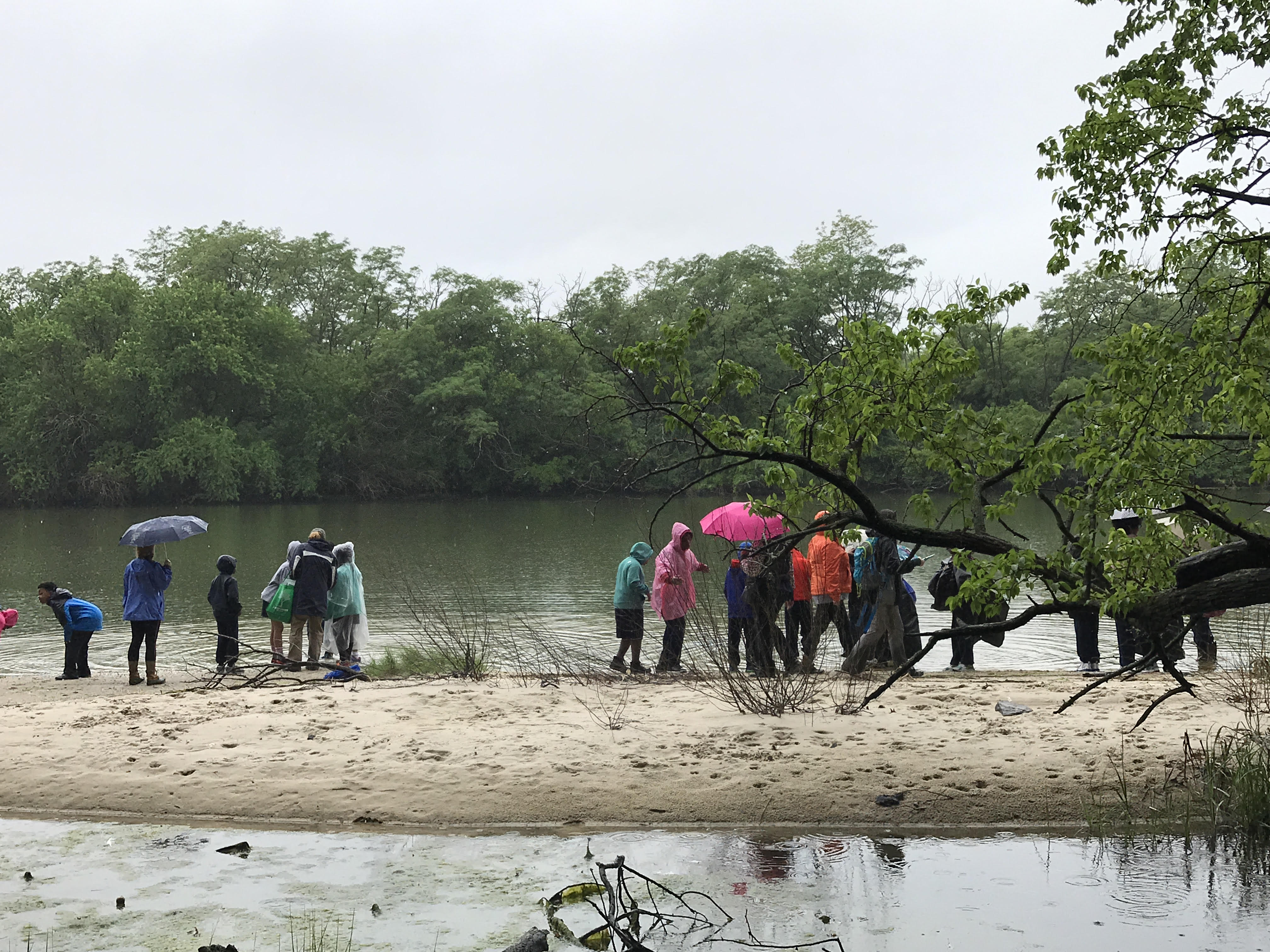
Students from the Archdiocese of Baltimore’s Holy Angels School field trip to the University of Maryland Center for Environmental Science, Horn Point.
Why the Chesapeake Bay?
Growing up in Baltimore means eating crabs in the summer, steamed. Whether for lunch or dinner, a half dozen or half bushel, eating crabs is a feast. Denizens of the Chesapeake Bay region mark their internal calendars in the spring for crab season. It begins in April. Oft times they forget that it ends in November when crab meat can be at its finest.
Oysters, another wonderful bounty of our Chesapeake Bay, traditionally herald the fall and winter seasons. Witness the abundance of Oyster and Bull Roasts to fundraise for non-profit causes.
While oysters and crabs have made our Chesapeake Bay famous, (it’s the largest estuary in the U.S.A.), rockfish, catfish, sturgeon, eels, and menhaden are all by-products of our Bay. The list goes on. Our rich heritage is founded on the watermen and their boats – the log canoes, pungies, schooners and skipjacks that ply the waters of “pleasant living.”
To Learn More
Ready to learn more about the Chesapeake Bay region? We certainly hope so. Contact us at info@carlisleschesapeake.com. We cover the Mid-Atlantic region of Baltimore, Washington, D.C., Delaware and of course, the Eastern Shore. Thanks for tuning in.